Monday, November 14, 2011

The Annual Tree Run

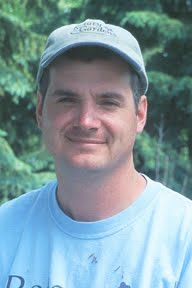
Today was a crazy day around the gardens although everything went smoothly. The pictures above are from our annual tree cutting expedition which resulted in 150+ white pines (Pinus strobus) coming back to the gardens from Paul's Tree Farm (www.paulstreefarm.com/). Paul has donated trees over the past 14 years and we estimate we've utilized over 2,500 of his trees as part of our Holiday Lights Show (HLS) set-ups over the years. Please patronize Paul if you're looking for a great tree! Thanks to the gang in the top picture for all the hard work which included not only dragging and loading (Larry and Big John went down early to "pre-cut" and get ahead of us) but also securing the load and ultimately unloading them and dragging them in to place (we all smell like pine sap!). In the top picture we have (back row, left to right), Rollie, Jim, Ron Y., Dennis, Ron W., Maury, Big John and Dave. Bottom row, left to right are Pat, Dick H., Dick P., Jenny, Bob A., Larry H., Larry O. and Curt H. (with his pup). We made quick work of the project and enjoyed a baked potato lunch (see to the right) organized by Kelli, Lori, Polly and Mark S. All but Kelli joined us as did Amanda, Kris and Roman. Thanks to Mary W. for baking the spuds and all those that helped with organizing this appreciation lunch. To the left is the coppery fall color of the purple beech (Fagus sylvatica 'Riversii'). This specimen was glowing from a distance and while beeches (Fagus sp.) aren't overwhelming with fall color, they offer interest late and will frequently get some nice yellows and golds too.

While we were off galavanting at the tree farm, many things were happening at RBG. The picture to the above left shows some preliminary work being done in advance of our new, digital entrance sign that will be arriving in the next month or so. This sign, and its installation, was donated by the Morning Rotary Club (thank you!). The contractors above dug and prepared a large concrete footing and set the sign frame today. L.P. Tree Service was also here with two bucket trucks as they hung over 250 dangling icicle lights from the upper canopy of our larger trees. They did a great job as usual and we'll spend the week "wiring" all these lights up as needed. Marv, Terry, Marianne and Janice were at the gardens "holding down the fort" and working on various HLS projects and garden clean-up while keeping an eye on all the "peripheral" activity. Marv and Terry removed our RBG sign to make room for the sign contractors and moved on to setting up and securing more HLS elements and did a great job wiring up trees to stakes as soon as they rolled in this morning. Marianne worked on HLS jobs including hauling lights out to the new trees for decoration tomorrow and Wednesday. She also collected quite a bit of debris. Janice worked on some HLS preparations but spent the bulk of the time collecting debris as we had major winds yesterday and we have another solid round of leaf/debris collection to accomplish. Del and Vern stayed behind to work on carpentry projects and we later saw Bill O. who helped tidy out in the gardens this afternoon. Luis was also in to continue his exhaustive (and much appreciated) woody plant inventory. To the right is the bronze/pink fall color tinge to our golden European filbert (Corylus avellana 'Aurea') in the Scottish garden. I love the bright gold spring growth as well although it ages to a "summer chartreuse." All in all, one of our craziest (but also productive) days! Below is Jenny out at the tree farm tidying up after our clear-cut. Thanks again Paul!

Saturday, November 12, 2011

Target Invaders Now

Some efforts made yet this fall in the garden can help save you time next spring. Although we have had some hard frosts already, there are some plants out there that should be cut back and/or entirely removed this time of year as they will be nothing but problems for you next year. Many of our garden weeds are still green and easily identifiable out in the gardens. The invasive garlic mustard (Alliara petiolata) is still very green and can be targeted right now. Much of the garlic mustard you see now will be the "blooming wave" next year as this plant is a biennial and blooms (thereby dropping oodles of seed) the second year from germination. We'll hand dig it when we see it and if we get another warm day above 50 degrees F, I'll spray a bit of Round-Up on these target plants as it will still have time to kill off these plants before snowfall (hopefully). As you're cutting back your garden, anything that elicits a "Hey, I didn't plant this" should be followed by the action of immediate removal, saving you time and headaches when diverse spring duties might be more of a distraction. The top image is the fall appearance of garlic chives (Allium tuberosum) which were blooming in August and September with beautiful umbels (rounded flower clusters) of white. However, these culinary chives should be deadheaded before they go to seed as seen above and more specifically to the right. Look at all those seeds ready to fall and germinate next spring. With these potential seed clusters not removed in a timely fashion and left to drop seed, the end result next spring is a solid mass of grassy babies throughout the garden that will need to be culled, thinned and dealt with immediately. There are many other plants/perennials with similar challenges. While they have beauty and/or function in the garden, those rampant re-seeders should have flowers removed prior to seed set/seed drop to keep control of unwanted spread.

Now is the also the perfect time to target the notorious European buckthorn (Rhamnus cathartica) which has invaded a good portion of the Midwest and Eastern United States, particularly woodlands. We have some around the periphery of RBG and will find invaders that have disguised themselves well in the gardens proper. The woodlands around our area are thick with this non-native woody plant that has a competitive advantage in our woodlands in that it leafs out earlier and is tolerant of full sun to full shade. When I worked in MI, I observed woodlands that were so thick with European buckthorn, you couldn't walk thru them. The floor of those forests, instead of having native perennials, ferns, etc, were barren as there was almost no light due to the understory of buckthorns, This solid mass also outcompetes a native understory of trees which is what will replace our larger desireable trees as they die and leave an opening in the woodland canopy. There are lots of articles on this notorious tree but suffice it to say that it is a Thug with capital 'T'. However, this time of year, buckthorn becomes very conspicuous as it retains green leaves well in to December so as I type, you could walk thru a woodland (or your garden) where most deciduous trees and shrubs have dropped leaves or are in the last stages of fall color and note those specimens with green, glossy leaves. See the picture below which was taken at RBG yesterday. The desireable shrub, an arrowwood viburnum (Viburnum dentatum) has lost most of its leaves although you still see some yellow ones to the left. The stems (marked with blue tape) that have green leaves are from a buckthorn that has "hidden" in the midst of this shrub for years as it blends in well during the summer. That buckthorn was planted by a bird that ate the black fruits (drupes) of a female buckthorn and pooped them out while hanging out in that shrub. Bird dispersal, far and wide, of this non-native is what has given it such a wide range of invaded territory. Now, this multi-stemmed shrub is so entwined with the viburnum that digging it out is not a real option. By the way, hand digging out buckthorn is a monumental effort and the wood is extremely hard and difficult to cut. The branches also have terminal spurs which for all intents and purposes, can be considered "pseudo thorns" as you try to remove and dispose of the wood. Be careful and wear gloves and eye protection. Steel toe boots would not be overkill either.

This is how we deal with a situation like that below and anywhere we target the conspicuously "green-leaved" and easily located European buckthorn this time of year. Cut the primary stem/trunk as low as you can and immediately paint on full strength, concentrated Round-Up, right on that fresh cut. Be very specific with painting on the Round-Up as you don't want to damage surrounding plants. Let it soak in that fresh cut, then paint it again. We have had a high percentage of success with killing off the entire plant with this fall approach. In the situation pictured below, this approach is warranted so as not to harm the "sheltering plant". However, we also do it in all removal situations (even for larger buckthorn specimens) as we don't have the time to hand dig the roots. Smaller buckthorn seedlings can frequently still be pulled out if the ground is damp enought. Otherwise, cut and paint. Cut and paint. Processing the above ground remnants is challenging too and be wary of the females which are still showing fruits (drupes) that hungry birds will continue to nibble and "poop disperse". Good luck.

Friday, November 11, 2011

Of Witchhazels & Reindeer (And Larry)...

The day was cold and cloudy this morning with light frost over everything. We all worked on indoor projects early and then headed out in to the gardens for Holiday Lights Show (HLS) preparations and garden clean-up. The sun finally came out with blue skies and temperatures in the mid 40 degrees F. Overall, it was a very productive day with some great volunteer assistance as well. The two pictures above show our native witchhazel (Hamamelis virginiana) blooming and while I've featured it recently on the blog, it really seemed to be peaking and the flowers show better with all the leaves having dropped. As I got closer, I noted (picture directly above) the fruiting structure (capsule) of that plant that I've never observed in the past. Interesting. The image to the right shows the fall/winter color of the Siberian or Russian cypress (Microbiota decussata). Normally green and "arborvitae-like", this evergreen (tolerates part shade) turns a neat plum coloration this time of year. This plant is typically a shorter groundcover (12"-15") although this specimen is grafted on a standard about 24" above ground level and is cascading down. To the left is the pinkish fall color of the perennial, golden creeping Jenny (Lysimachia nummularia 'Goldilocks'). This hardy plant is a vigorous, spreading groundcover but also does great as a trailer in a container or along a low wall (as seen here in the sunken garden). The golden spring and summer coloration is a nice asset but unfortunately the earwigs enjoy nibbling on it when it is in a groundcover setting.

We were fortunate to have both Shirley H. and Kay here today for garden clean-up efforts. Shirley went through the color rooms and Scottish gardens while Kay was in the gazebo garden vicinity. There are still plenty of perennials to cut back and leaves to collect. Both ladies were a whirlwind and brought back many loads of debris. We gave them both an open invitation to keep coming in until we get snow accumulation as they do such a thorough job out in the gardens! We also saw Maury, Dick P., Del and Mary W. at the Horticulture Center today. To the right is the brilliant fall color of the Coppertina ninebark (Physocarpus opulifolius 'Minda') which has a neat amber/orange leaf coloration in spring and with new growth as it emerges. We cut most of our ninebarks back severely in fall once they are established to keep them at around 5-6' tall as they "bounce" right back up to that height the next year with fresh growth and vivid coloration. We have no "green leaf" ninebarks, they're in shades of gold and maroon for foliage impact. The sequence of three pictures above shows the progression of the reindeer display that Marv and Terry prepared this morning and installed out in the French formal garden (rose garden). Normally we've just positioned the deer on the ground for interest but the fellas devised a sturdy way to get them in the air and will soon decorate them with lights. I think a conspicuous Rudolf is leading will be leading that team. The sleigh will look cool too. As the gardens look better each year, I feel the HLS does as well and this year is no exception. The layout is quite nice and next week we'll see the addition of 150+ decorated trees and lots of dangling icicle lights (250+) from the tree tops. Marv and Terry also ran some cords and worked on some other small projects. Janice juggled between some HLS work and was out collecting debris out in the gardens, particularly around the formal and terrace gardens. The last of her decorated obelisks will go out in the gardens next week. Marianne also collected leaves and garden debris but also did a nice job helping run cords in many locations around the gardens (sunken, larch area and terrace garden). These past two years, she's been an enormous help to me as I used to run most of the cords and it was a daunting task. I was outside slinging cords as well and will have no trouble finishing next week. However, once everything is plugged in, we then start the testing/tweaking portion of our HLS challenges. To the above right is the great fall color and appearance of the purple moor grass (Molinia caerulea subsp. arundinacea 'Skyracer') in the arboretum. I love this wispy grass although it has no "winter stature" and will be flattened with the first heavy snow. Termed a "transparent grass", this variety has the bulk of it's foliage down low with very wispy flower stalks that don't totally obscure the view. Proper placement of these grasses can be effective as pseudo-screens or accent pieces that don't block the view entirely. To the left is the golden fall color of the yellowwood (Cladrastis lutea or Cladrastis kentukea) which has smooth, grey bark like a beech (Fagus sp.). Our specimen hasn't bloomed yet (dangling white flower clusters in spring) although there are some in Janesville that I've seen blooming. I remember enormous specimens of this tree on the University of Illinois (Champaign-Urbana) campus that were amazing when in bloom. To the right are a couple of the fallen leaves from the Pacific Sunset hybrid maple (Acer truncatum x platanoides 'Warrenred') that is a cross between the Shantung maple (great fall color, smaller size) and Norway maple (lustrous summer leaves and superior hardiness). Introduced by the J. Frank Schmidt & Sons Nursery (Boring, OR), this smaller maple only gets 30' tall and 30' wide. I will say that not all the leaves are as nice as these but the "fall show" gets a B rating every year in my mind. Lots going on next week and the following week (prior to Thanksgiving) includes our testing time for the HLS as we "iron out the bugs" as needed. Below is a shot from beneath one of our red horse-chestnuts (Aesculus x carnea) near the sunken garden. I happened to be walking by and couldn't resist taking a photo with the morning light streaming thru the leaves. At the bottom is a shot of Larry from yesterday. He's flushing out a line (not his......our water line!)!

Thursday, November 10, 2011

Dreary Day II

Today was another cloudy and cold day and we had some light flurries thru most of the morning. There was no accumulation and of course, nothing left of the snowflakes from yesterday. The weekend looks quite a bit warmer so I think we'll have a respite from the cold. It was a great day for working outside though and there was lots of activity around the gardens throughout the day. The top picture is our golden Hakone grass (Hakonechloa macra 'All Gold') wall planting that has filled out so well over the years (6?). We've had lots of compliments about the look of this planting and how the arching grasses soften the boulder retaining wall and hides the nooks and crannies. This time of year, this variety (and most of the Hakone grass varieties) start to get tinged with fall color. In this case, we're seeing the start of some pink on this grass. Directly above is the peak fall color one of our perennial cranesbill geraniums (Geranium sanguineum) in the herb garden.

We had a great volunteer turnout with lots of Grumpies and one Grumpette. Gary and Big John worked on securing more protective deer fencing (to the right) around our tastier offerings out in the gardens. We protect all of our arborvitae (Thuja sp.) and will also protect select pines and some other potential targets. To the left, Pat (goofy red hat) and Dennis helped John plant the last of our bulbs in the English cottage garden this morning. They planted a hodge podge of bulbs (tulips, daffodils, grape hyacinths, ornamental onions) that will look great next spring. Pat and Dennis then moved on to spreading shredded leaves over some of our beds. Dave was out collecting leaves and debris and we also had the assistance of Dick H., Rollie, Dick P. and Maury. Dave T., Vern, Bob A. and Jim worked on carpentry projects and Del also had some projects as well. Jenny was our lone Grumpette and was as helpful as always. Even water lilies (Nymphaea sp.) have neat fall color (see to the right). Bill O. was in this afternoon to help collect leaf debris. We also saw Kelli, Mary W., Lori, Amanda, Jance and others at the Horticulture Center today.

This morning was busy at the gardens with our irrigation contractor arriving to accomplish the winterization of our irrigation system. This took the entire day as we have four controllers that run almost 50 zones that all have to be cleared of water before the "hard freeze". Larry worked with the contractor and they methodically worked thru the gardens over the course of the day. We also had L.P. Tree Service come to remove some trees in our parking lot islands. We will be replanting trees (more appropriate and hardy selections) in these islands next spring and were happy to see them go. However, the parking lot sure looks a lot more "open" now. We never take the decision to remove trees lightly and only do so when there is a valid reason. While the L.P guys were here, they also helped us get some lights on the building as a bucket truck is a lot handier than a ladder! L.P. Tree Service has not only done tree work at the gardens since our founding 22 years ago but has also donated time helping with our lights show for the past 13 years. Below are some images of their activities today.

The grounds staff today included Larry, Big John, Janice and myself. Aside from helping with the irrigation winterization, Larry also helped coordinate the tree removal activities and lights set-up efforts. Larry's "institutional knowledge" is invaluable and was called upon many times today. Big John worked with Pat and Dennis with the bulb planting this morning and after helping Gary with deer fencing, moved on to cleaning up the parking lot mess from all the stump grinding activities this morning. Janice worked on decorating some obelisks this morning and later went out to start clearing the herb garden. Janice decorated almost all the obelisks this year and only has a couple left. I was able to run cords almost all day and was pleased with the progress. I kept my camera in my pocket and didn't hesitate to peel of my gloves to get some late season images like the 'Blue Sparkle' dwarf larch (Larix laricina) to the right as it turns yellow and drops needles (deciduous conifer). To the left is the fruiting structure (hip) of the red Japanese rose (Rosa rugosa var. rubra). The hips are quite showy this time of year and have a long history of many uses. Research rose hips and their uses and you'll be amazed. They are also higher in vitamin C than oranges.


Next Monday we go on our annual tree run to cut, load and haul back 150-200 white pines (Pinus strobus) that we use as temporary displays for the Holiday Lights Show (HLS). These are donated by Paul's Tree Farm (Avon, WI). We secure them on posts (recently pounded in) and then decorate them with lights. We do many grouping of trees that look great with some light snow. This has been an annual trek and we typically get 10-15 Grumpies to help with this process. Outdoor volunteerism in the gardens will dwindle by the end of the month as we finalize the lights show and finish our fall clean-up tasks. Our carpenters keep busy thru the winter and once the 2012 New Year hits, we head out and start dismantling the lights show. It is still a busy time now though and we hope our efforts with the HLS are rewarded with 10,000+ visitors. A recent, $15,000 grant from the WI Dept. of Tourism should help bring people to the show. To the right is the superior fall color of one of our oakleaf hydrangeas (Hydrangea quercifolia). Below is an annual pot marigold (Calendula officinalis) hanging in there. This "cool season" annual can take tough months of April and October (doesn't enjoy the summer heat though..) and I was surprised to see this one hanging in there. At the bottom is the fall color on our golden Japanese kerria (Kerria japonica 'Chiba Gold'). This variety has golden foliage in summer too (most cultivars have green or variegated foliage) although there is a variable white pattern on many of the leaves. It was interesting to see the intense yellowing fall color but the remnants of some of that white pattern.

Wednesday, November 9, 2011

Let It Snow

We saw some big snowflakes come down this afternoon after observing the combination of drizzle, rain and sleet all morning. At the top is some of the snow accumulating in the grass for a short period of time (no need for shovels...yet). Directly above is Bill (left, with green jacket) coming in to the Horticulture Center. We were watching the radar to see if/when we could target a "dry period" and found that window to be between 10 am and 12 noon. With a steady rain this morning, Big John, Marv, Terry and Marianne worked on indoor projects which included more lights processing, display assembly, bringing down more Holiday Lights Show (HLS) decorations (interior) from storage and tidying up the Horticulture Center. It was the perfect day to catch up on indoor work and organize a good portion of our work space and storage area. We even had an early visit from Santa (to the right)! He was casual today with jeans, no hat, no elves and no reindeer. To the left is a little clay pot of turf prepared by Janice for Dr. Gredler yesterday. With the mowing season almost over, we thought he might miss his turf and Janice gave this to him with the rake (seen in the pot) and a small pair of scissors for trimming! Doc has been such a huge asset for the gardens with all the time he spends volunteering here. This will be our last week for mowing and we'll then get our snowblowers ready to roll for the HLS. I would estimate that we're about 80% set-up for the HLS but will still have to run cords to all the displays, dangling icicles, etc. Our entire process has been streamlined and coupled with an early start to set-up, we should be done by the end of next week. We should still have time to test and tweak as needed. We've had some nice power upgrades out in the gardens and one of our volunteers is an electrician (Tom C.) that has been a huge help with our troubleshooting efforts. To the right are just some of the lights (C9s) that have yet to be used but we'll have no shortage of places to put up the remainder of our lights and displays. The trick each year is making the gardens look different than previous events with new color themes, shifted displays, etc. Before the sleet and snow hit the gardens, I was able to see some very nice, late season, fall colors out in the gardens. The leaves below had fallen off the Golden Raindrops crabapple (Malus transitoria 'Schmidtcutleaf') near the arboretum. What a nice combination of yellow, golds and fire reds. I was trying to take pictures of the leaves still on the tree but the wind was blowing sideways so I settled for a decent ground level shot! Aside from our indoor work, we were able to get out in the gardens for a brief period of time.
Marianne went out to work on some lights troubleshooting and then moved on to collecting more debris. We have done about 2/3 of our fall clean-up (collecting leaves, cutting back perennials, etc.) and should finish the remainder by the end of the month. We should have volunteers over the next two weeks to help with the rest of these fall efforts. We still have the remainder of our bulbs to plant too (probably tomorrow)! Marv and Terry set up a huge wreath (with lights) on the southeast corner of our property which should look great along Palmer Drive. We put little "teaser displays" along the road that we occasionally leave on during the evenings in December to entice people to come back to see the HLS. The guys also set up our first batch of deer cutouts (courtesy of Del) down in the sunken garden. We'll scatter more deer around the route of the HLS later this week. Big John also did some clean-up, collected a sign for me out in the gardens and did some other odds and ends. I was able to run about 1,000 ft. of cords but the sleet drove me inside before the blizzard hit. The image to the upper right is the cutout that will be used for the 2012 art project. These oak leaves (40+) will be painted/decorated by area artists and displayed out in the gardens. This is the same program that saw both butterflies (2011) and daisies (2010) out in the gardens too. This is a fun program and we've all been amazed by the quality of these art pieces as they are returned, mounted and enjoyed by garden visitors too. So, it's oak leaves for 2012! To the left is the golden fall color of the hedge maple (Acer campestre) that has some dark highlights along the primary veins of the leaf. To the lower right is the peak fall color of our dwarf Koreanspice viburnum (Viburnum carlesii 'Compactum') near the gazebo garden. The fall color seen here is only rivaled by the fragrant pink flower clusters in early spring. Below is another cranberrybush viburnum (Viburnum opulus or trilobum?) although I'm not sure which one this is as they look so similar. The combination of yellow foliage with showy red fruits is a nice look though. At the bottom is one of our weeping larches (Larix eurolepis 'Varied Directions', also called Larix decidua...) turning golden before needle drop. I love the form of this specimen that is an eye catcher from Palmer Drive, even at 35 mph (actual speed limit is 25 but that is rarely followed).

Tuesday, November 8, 2011

Steady Drizzle

I have to admit that I didn't take any pictures out in the gardens today but all of these included shots were from the past couple of days. It was a dismal day with cold temperatures and drizzle most of the day. I was able to catch up on all sorts of desk work and didn't lack for tasks to accomplish. The photo at the top is the drying fruit structure (called a syncarp of dehiscent capsules) from our sweetgum tree (Liquidambar styraciflua) near the arboretum. While not as potent of a projectile as the black walnut (Juglans nigra) fruits, these can be tough on bare feet for sure! The ornamental, perennial grasses at RBG are really looking good and many are going thru their fall transformation. Many perennial grasses have decent fall color, including the Japanese silver grass (Miscanthus sinensis 'Blondo') seen directly above. From November thru March is a great time to evaluate the winter landscape and look for areas that could benefit from the impact and appeal of an ornamental grass(es) and colorful conifers for color and form. To the right are Marv (left) and Terry (right) preparing lights yesterday for some of their set-up tomorrow. That table has been used for Holiday Lights Show (HLS) related work since September although we do see light at the end of the proverbial tunnel with progress occuring daily. To the left are the fruits on the Royal Raindrops crabapple (Malus 'KFS-KW5') that also has maroon foliage in the summer that turns this bright red in fall.

Big John, Larry and Janice started the day with indoor projects which included finishing decorating obelisks, repairing lights and bringing out some older wreaths and garlands with lights that needed to be replaced. Pat came in to help with this process and repaired lots of lights as well. Del was in briefly to work on his deer cutout project too. Larry helped organize the cluttered Horticulture center and hauled some of our "cluster" back out to the garage for storage. Larry later went out and ran cords for me. John was out in the garden pounding more stakes for incoming trees (Monday), buried cords and ran cords to some displays. Bill O. went out in the drizzle too and had no trouble finding more debris (leaves, twigs, etc.) to haul back. We saw Gary, Maury, Joanne, Chris, Iza, Hal and Big John for our Garden Development & Maintenance Committee meeting over here today. We also saw Don, Joella and Jenny E. today. To the right is the start of the maroon fall color of the Korean greenstem forsythia (Forsythia viridissima var. koreana 'Kumson'). Though not a strong bloomer, I love the white "netting" look on each leaf which becomes even more pronounced in late Autumn with the deep maroons. We butcher this variety back as needed as it tends to sprawl and sucker a bit. The leaf coloration is such a great asset. Below are two shots (courtesy of Kris K.) from the Market Mingle event held at RBG this past Friday night. I stopped by with Jim Nau, one of our symposium speakers, and I was amazed not only the volume of traffic but the quality of all the vendors. I hear it was a huge success and I hope we do more events like this in the near future.